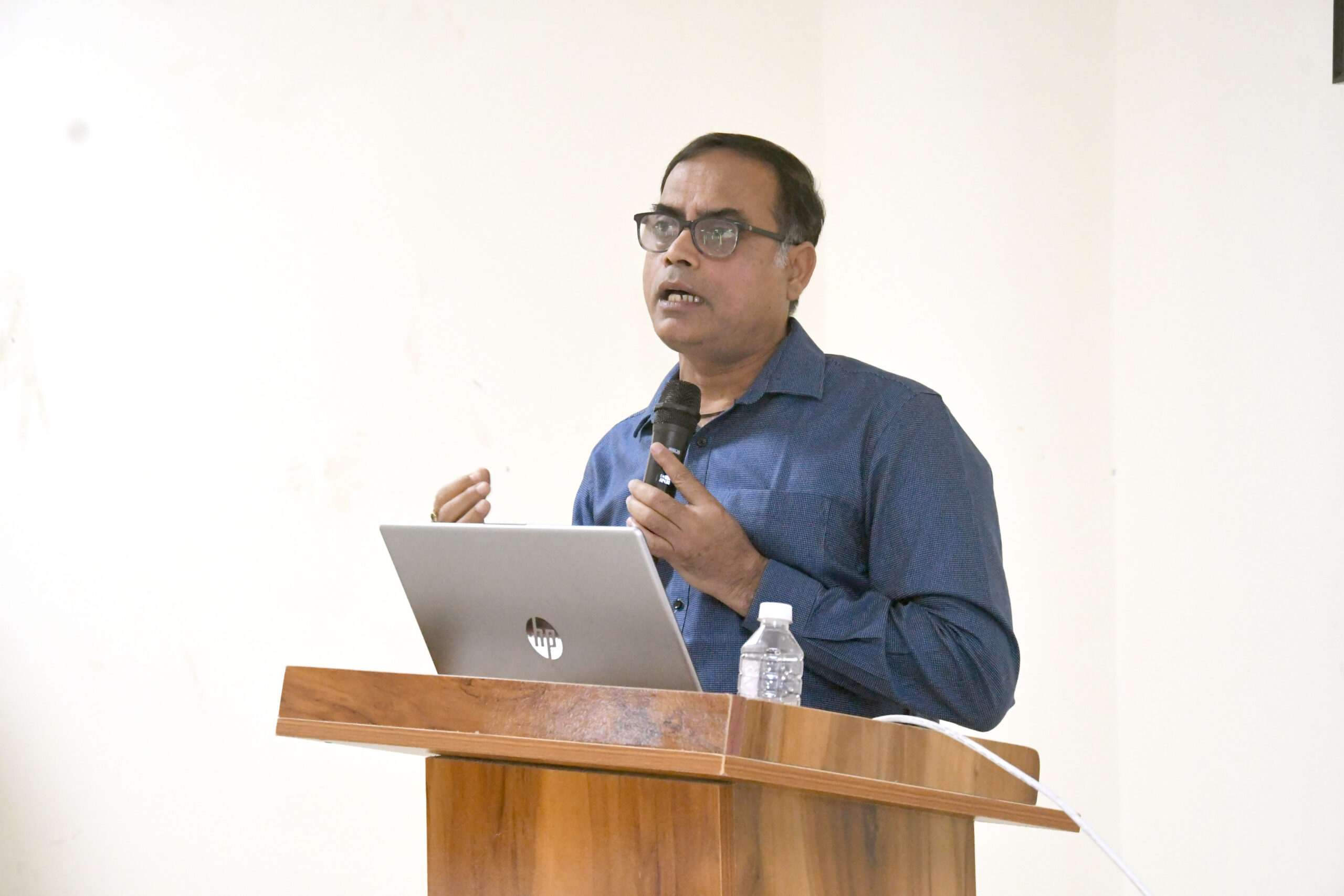
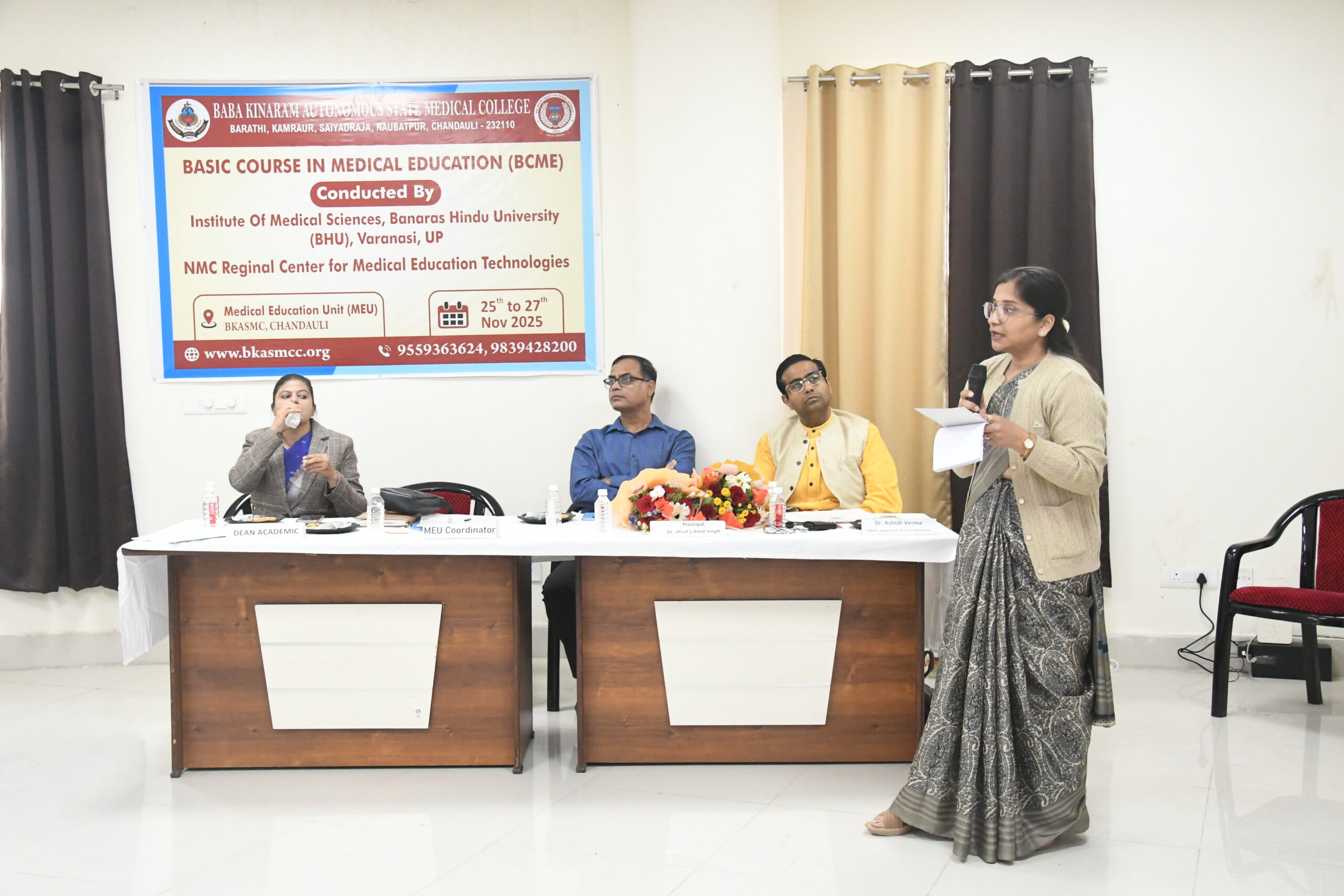
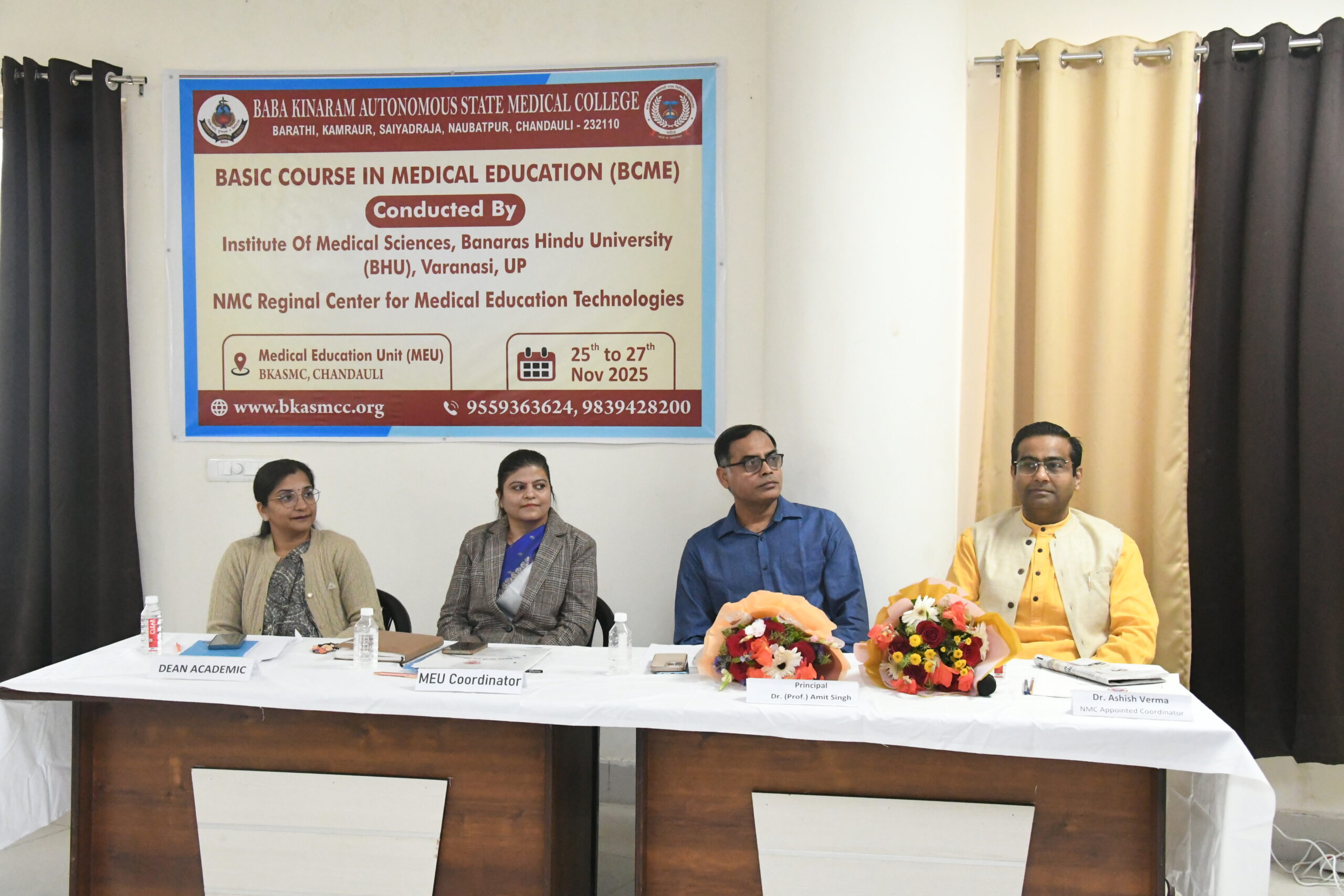
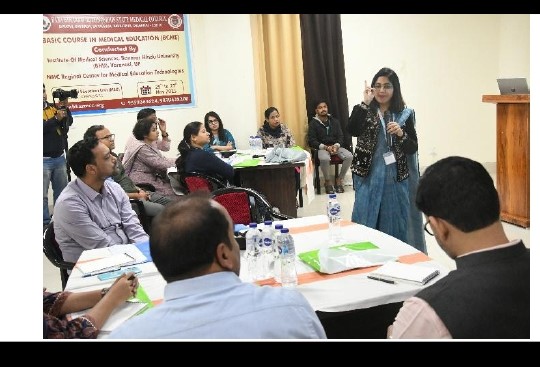
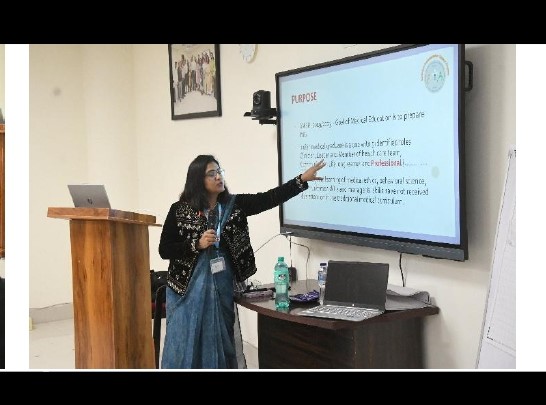
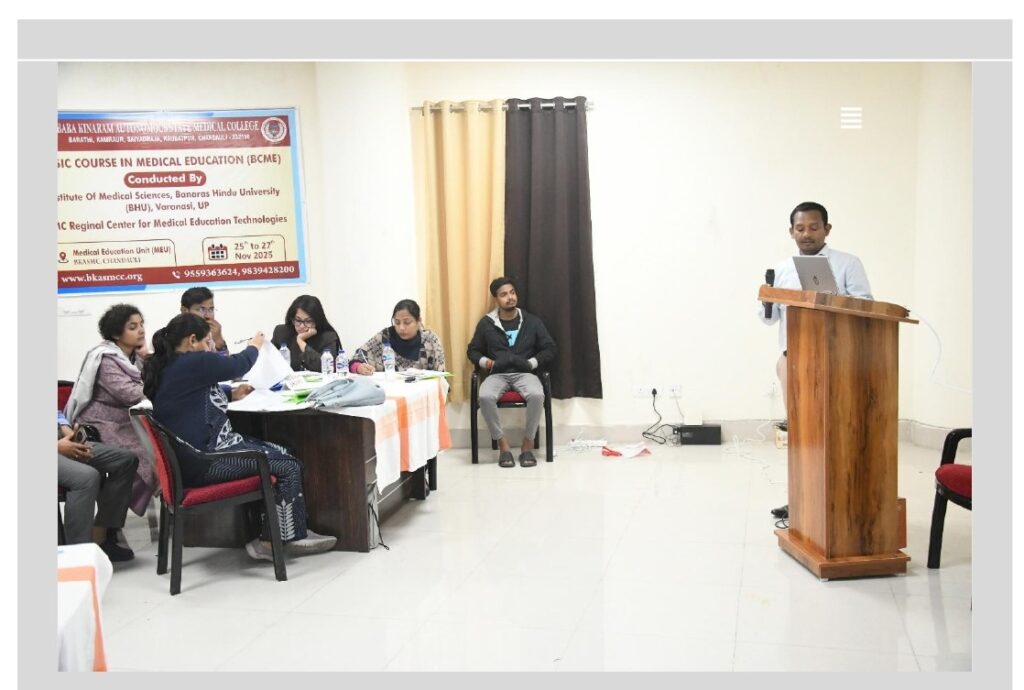
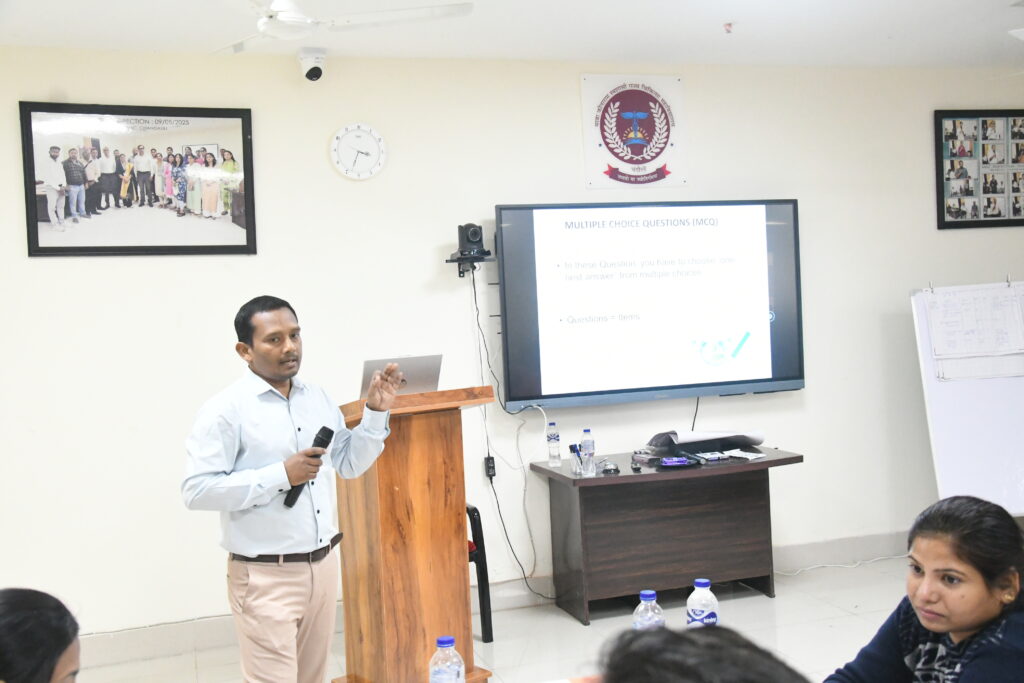
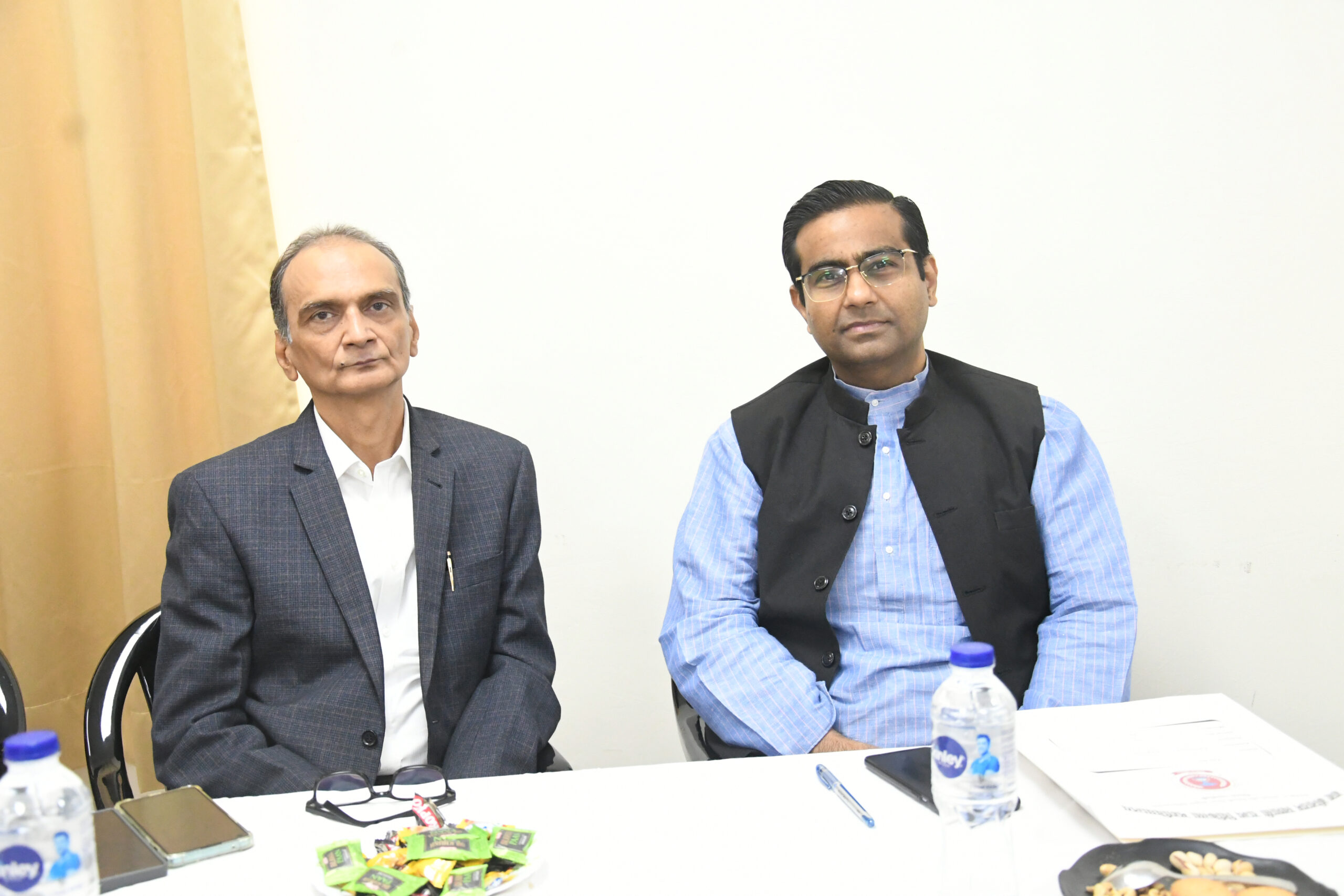
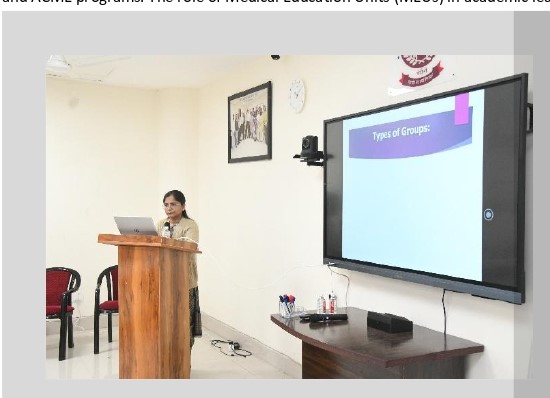
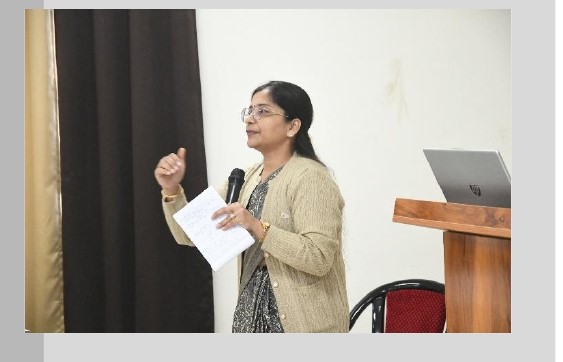
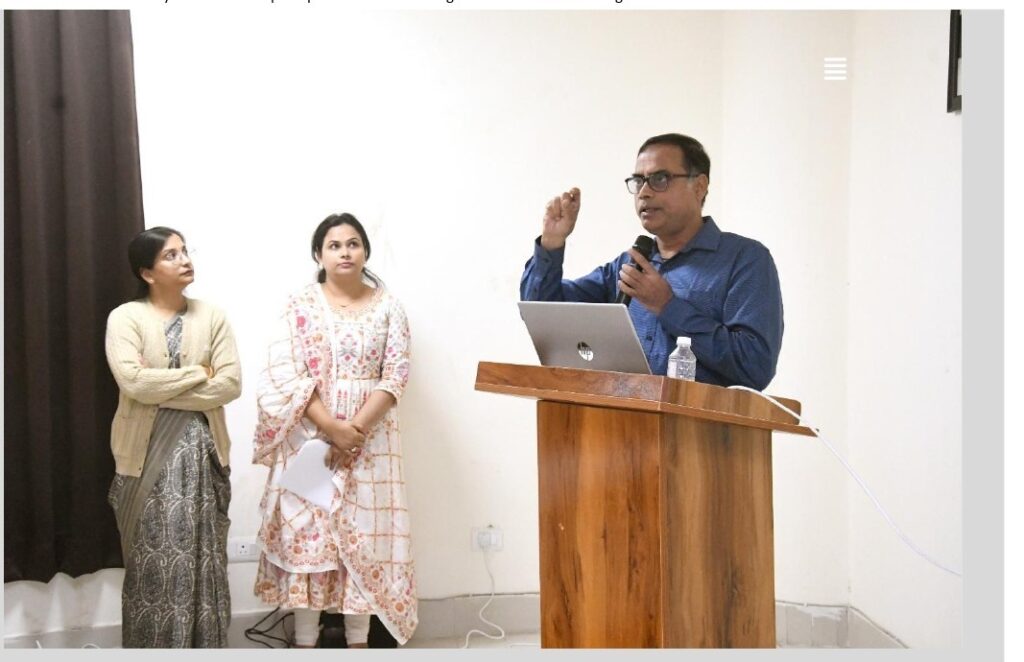
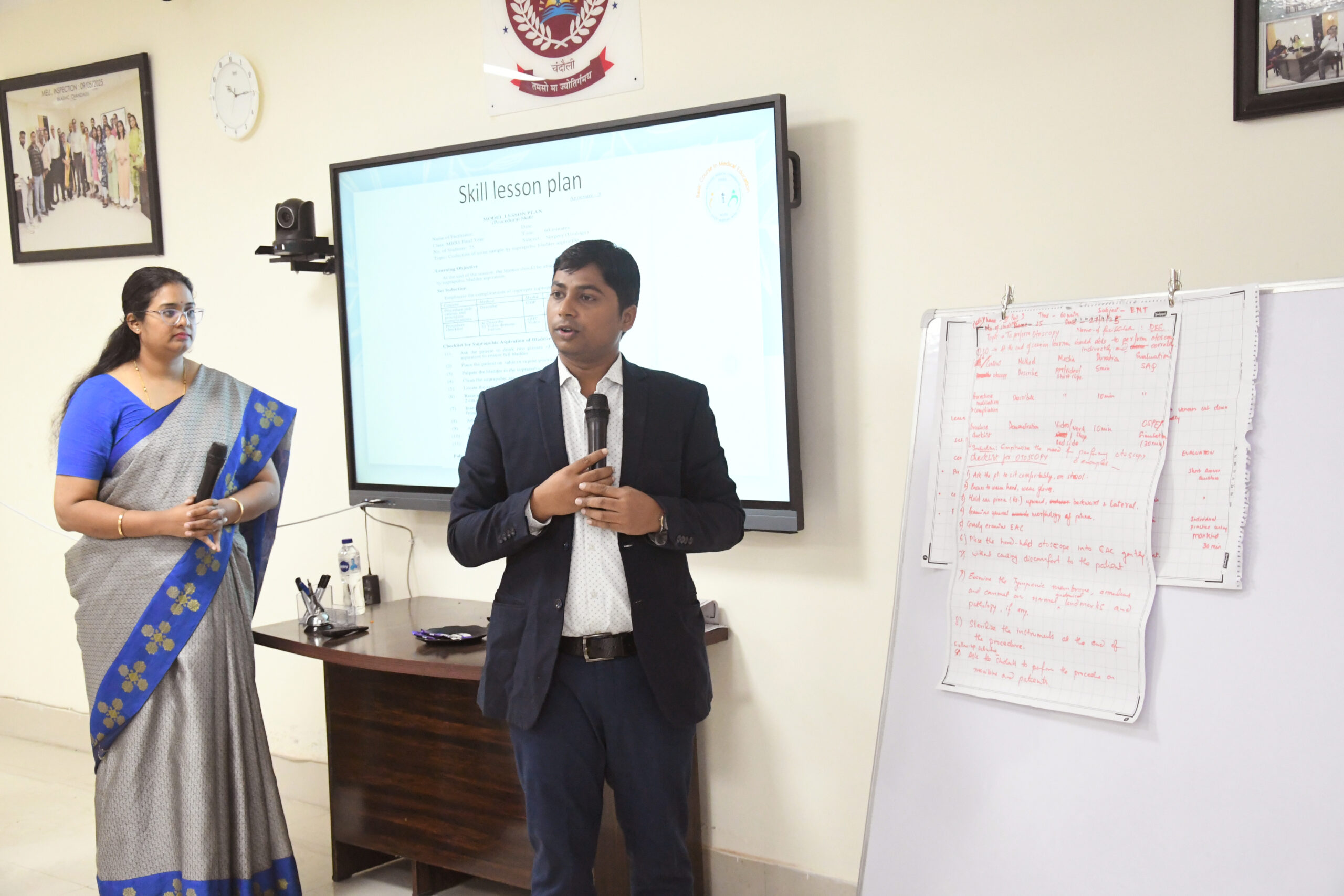
Organized by Baba Kinaram Autonomous State Medical College , Chandauli under the esteemed guidence of Dr. Amit Singh , (Principal) whose leadership and vision continue to strengthen academic standards and institutional growth. The initiative has been thoughally conceptualized and coordinated by Medical Education Coordinator Dr. Ketki Khandadiya (Professor & Head Biochemistry) , whose dedication has played a pivotal role planning this programme effectively.
Under the aegis of: NMC Regional Centre – MET,IMS, BHU, Varanasi
Date: 25th to 27th Nov 2025
Venue: MEDICAL EDUCATION UNIT , BKASMC, CHANDAULI.
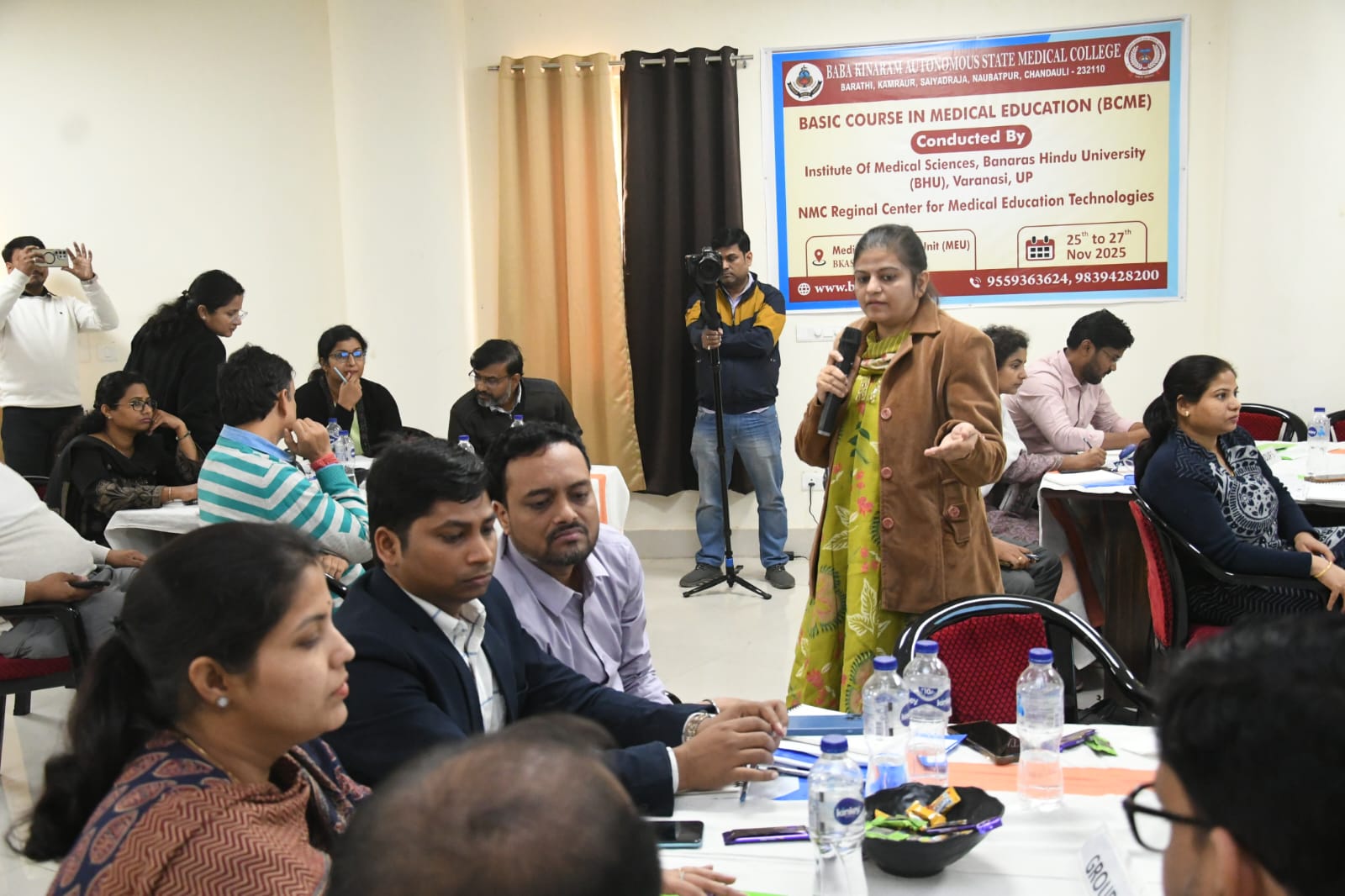
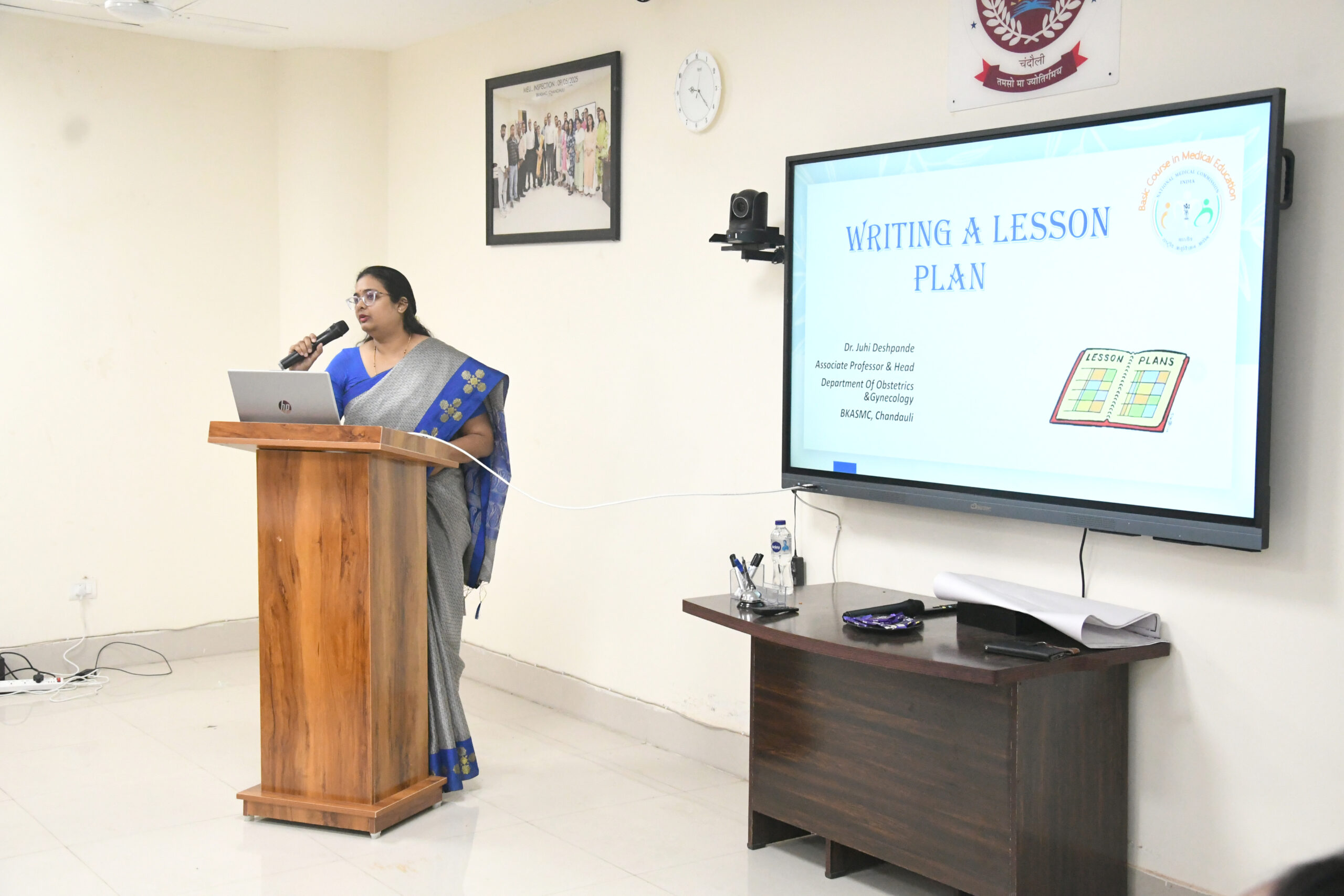
The Basic Course in Medical Education (BCME) 2025 was conducted at BKASMC, CHANDAULI from
25th to 27th Nov 2025, under the auspices of the National Medical Commission’s Regional Centre for Medical Education Training (MET), IMS BHU, Varanasi. This program is a cornerstone initiative by the NMC to empower medical faculty with the competencies required to effectively implement Competency-Based Medical Education (CBME), as mandated by the Graduate Medical Education Regulations.
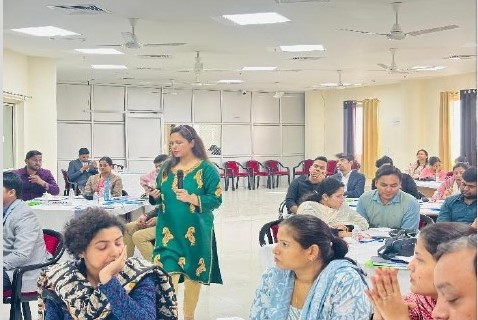
The workshop aimed to equip faculty members with the necessary teaching, learning tools, assessment strategies, and curriculum development techniques to transition from traditional to competency-based education. The program included a mix of theoretical inputs, experiential learning, group exercises, hands-on skill sessions, and reflective practices, all anchored in adult learning principles.
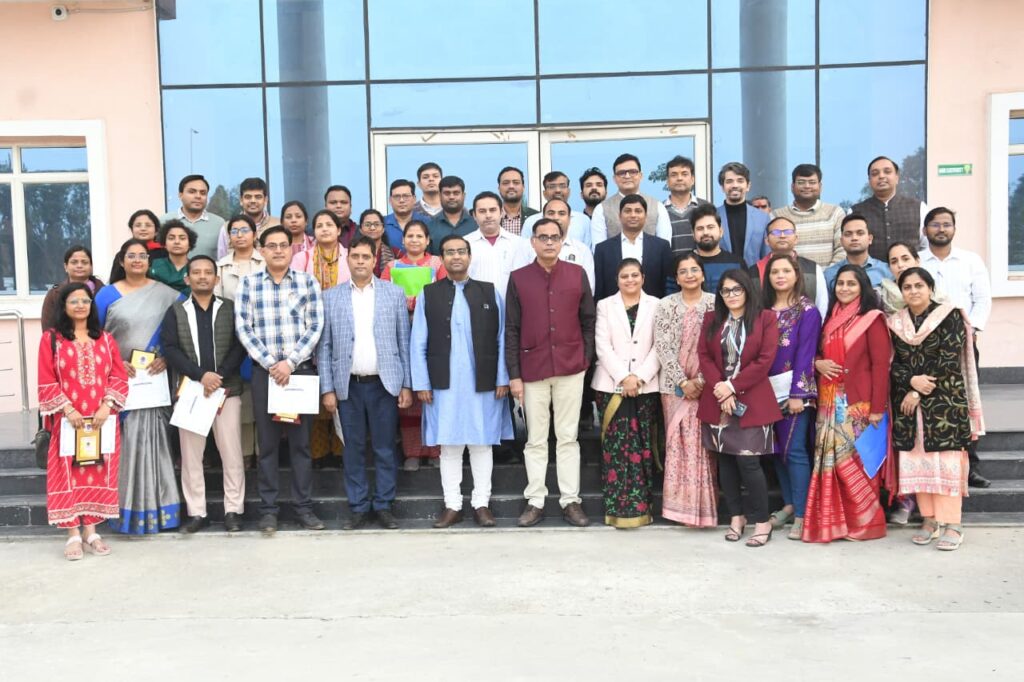
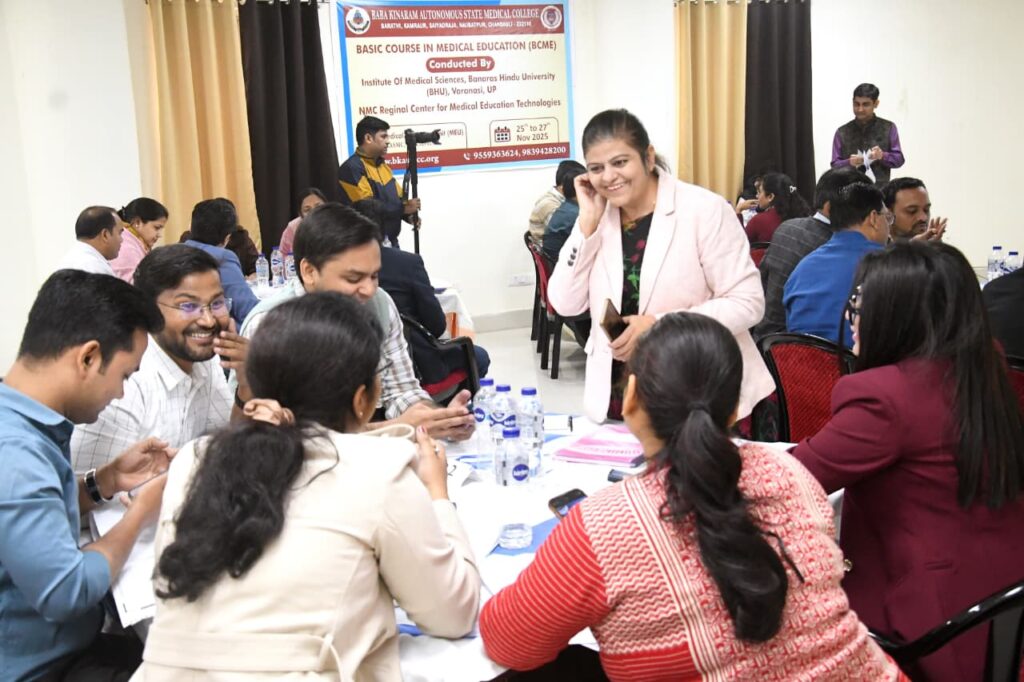
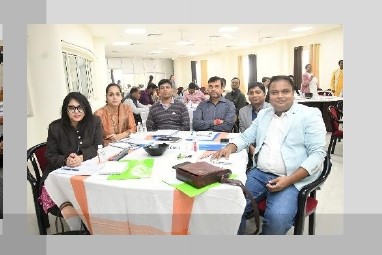
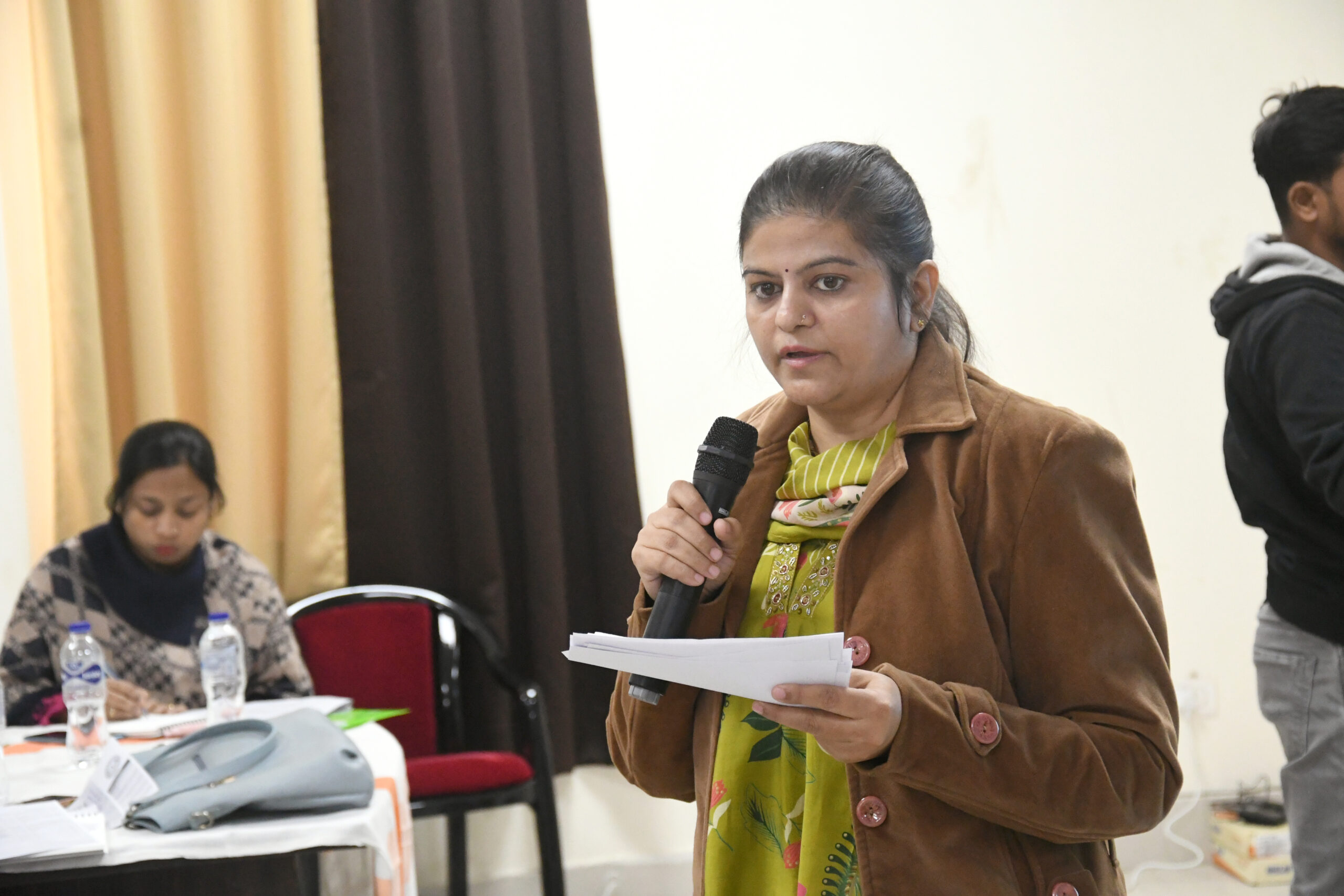
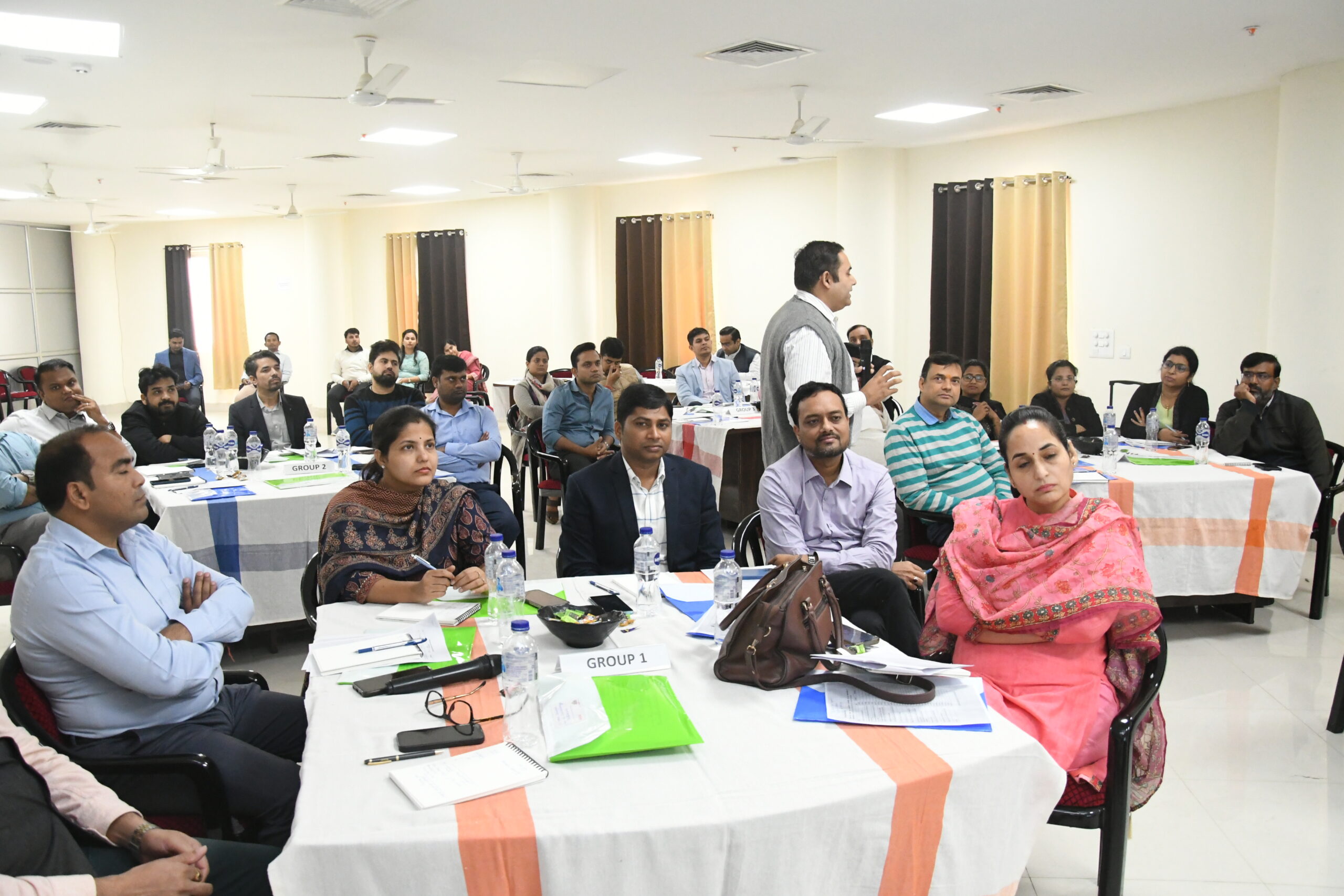
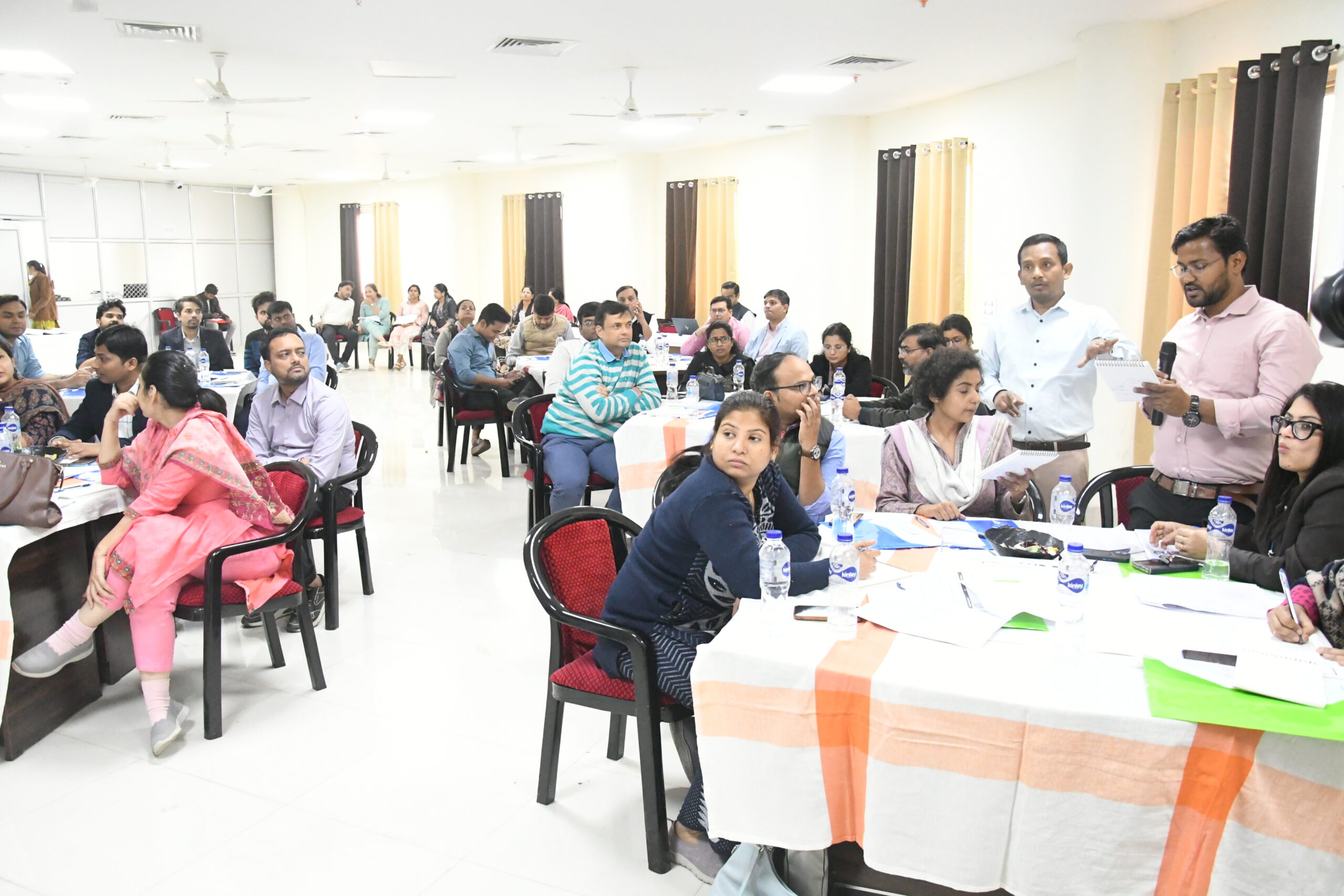
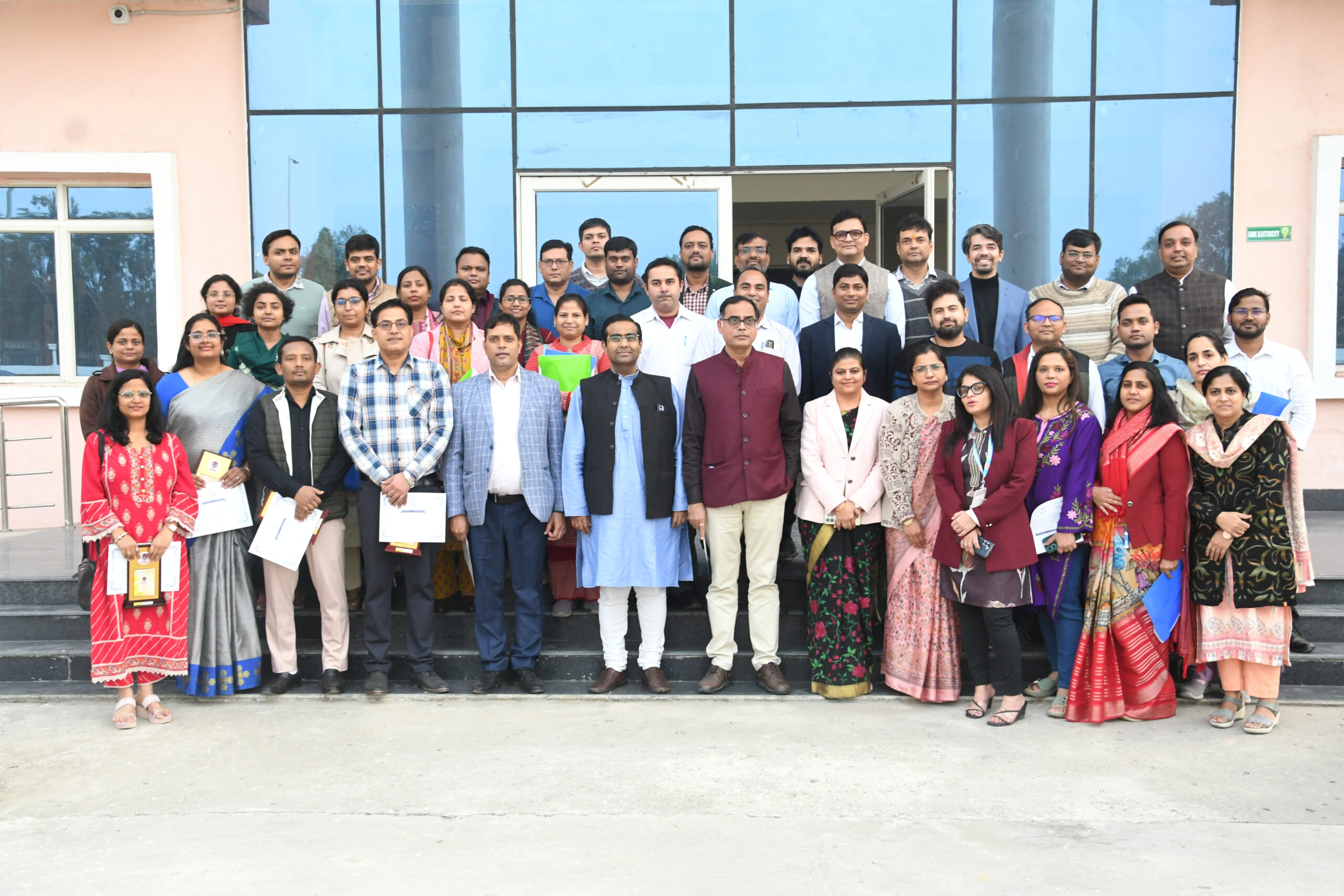
A total of over 30 faculty members from various departments of the institution participated actively in this three-day program, fostering a spirit of academic inquiry, peer learning, and professional growth.
Objectives of the Program
The BCME workshop was structured around the following key objectives:
To enhance understanding of educational philosophies and learning theories relevant to medical education.
To develop skills in designing learning objectives, aligning teaching-learning methods (TLMs), and developing assessment tools.
To familiarize faculty with CBME modules including AETCOM and SDL.
To promote reflective practice, mentoring, and continuous academic growth among medical educators.
To introduce faculty to principles of formative and summative assessments, including internal assessment planning.
To encourage the use of skill-based teaching and assessment through clinical and simulated environments.

Detailed Day-Wise Proceedings
Day 1: Foundations of Medical Education and the Learning Process
Inaugural Session and Ice-Breaking Activities
The program began with a warm welcome address by the organising faculty followed by an interactive introductory session that included a pre-test,
faculty introductions, and group dynamics exercises. Facilitators Principal Dr. Amit Singh & Dr. Nidhi Goel used team-building activities to set the tone for
collaborative learning throughout the workshop
Session on Learning Theories and Domains
The session led by Dr. Ketki Khandadiya & Dr. Shailesh Kumar focused on the principles of learning, highlighting the hierarchy of learning outcomes
(Bloom’s Taxonomy) and the three domains of learning—cognitive, psychomotor, and affective. Active discussion was encouraged, and
participants related their own teaching experiences to the theoretical frameworks presented.
Teaching Learnig Methos (TLMs)
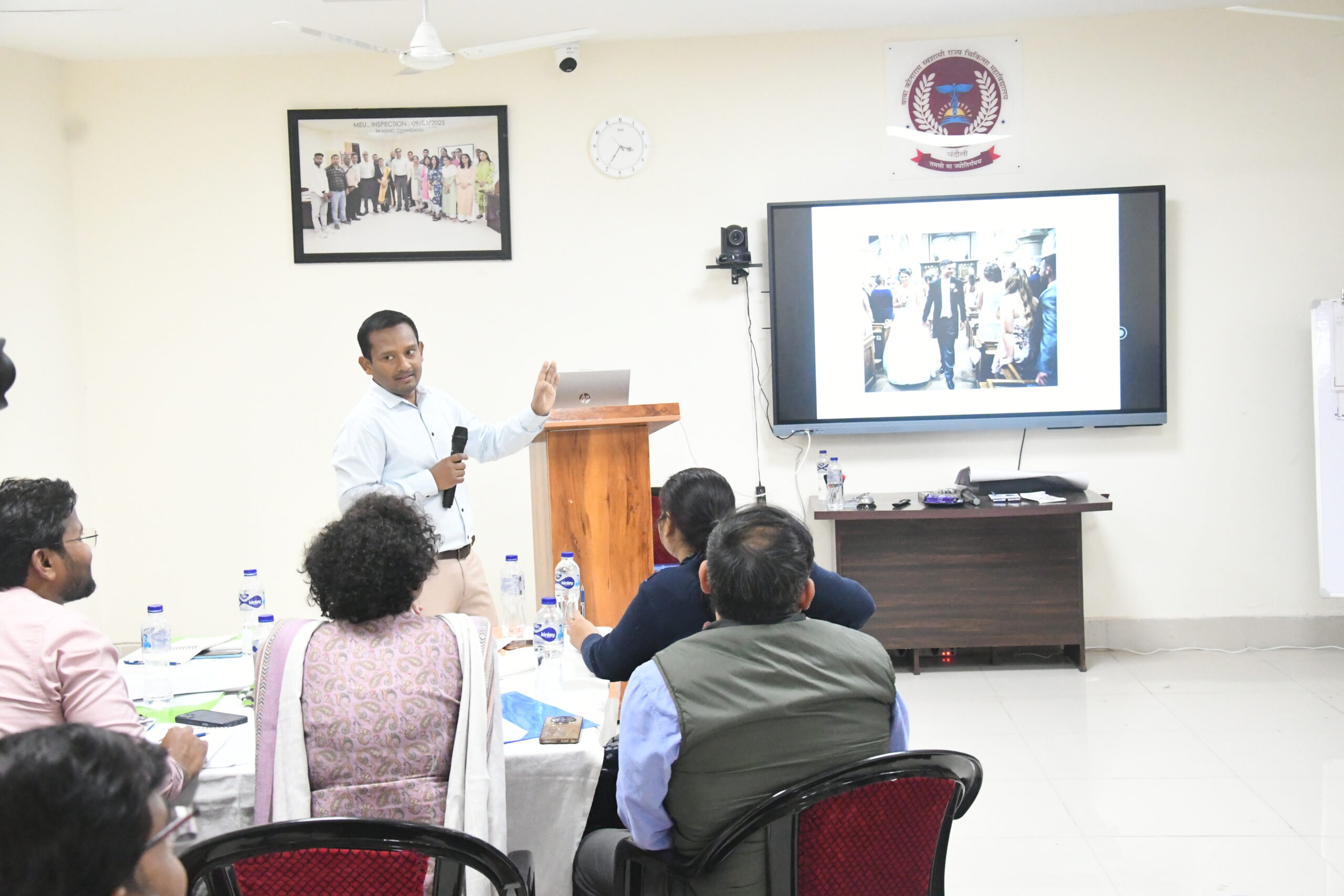
Faculty members Dr. Ketki Khandadiya explored traditional and modern TLMs, emphasizing interactive large group teaching, small group activities,
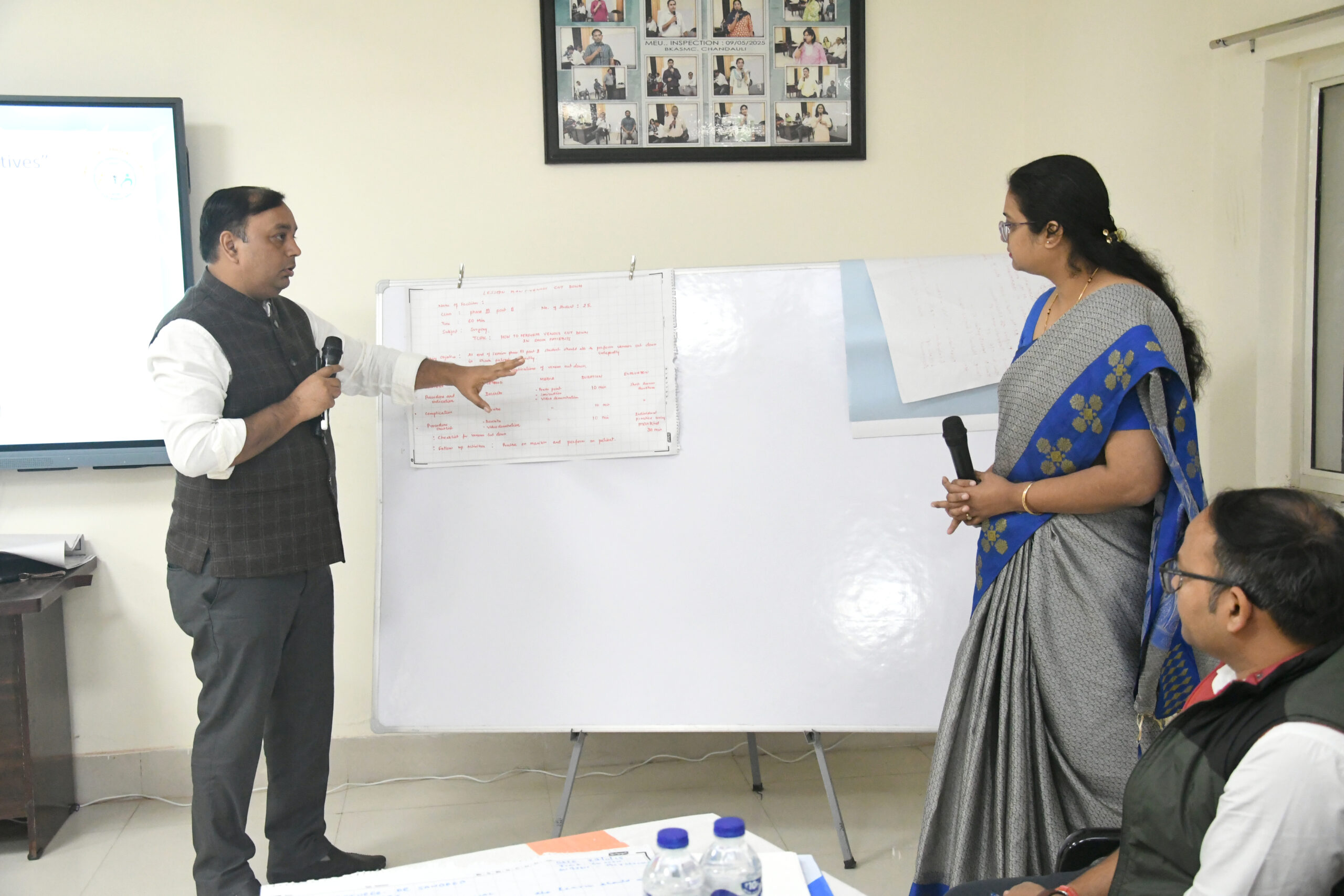
problem-solving sessions, and skills demonstrations. Resource faculties also introduced the participants to various engaging techniques for both large group and small group teaching. Participants engaged in a group activity focussed on designing various methods for large group and small group teaching.
The afternoon sessions covered the basics of assessment planning. In the first part, Sachchidanand discussed the typ es and purposes of
assessment, including the key attributes of a good assessment: validity, reliability, feasibility, and acceptability. Later, Sachchidanand guided
participants through Internal Assessment (IA) planning, incorporating formative assessment and feedback mechanisms. Participants practiced
designing an IA module and discussed institutional challenges and solutions.
Day 2: Advanced Clinical & Practical Skill Techniques and Assessment Design
AETCOM Module Implementation
In the first session of the day, Dr. Divya Srivastava and colleagues demonstrated how to implement the Attitude, Ethics, and
Communication (AETCOM) module through multi-disciplinary teamwork. Participants engaged in discussions on integrating
AETCOM throughout the UG curriculum and using role play, simulations, and case scenarios as teaching tools. Participants
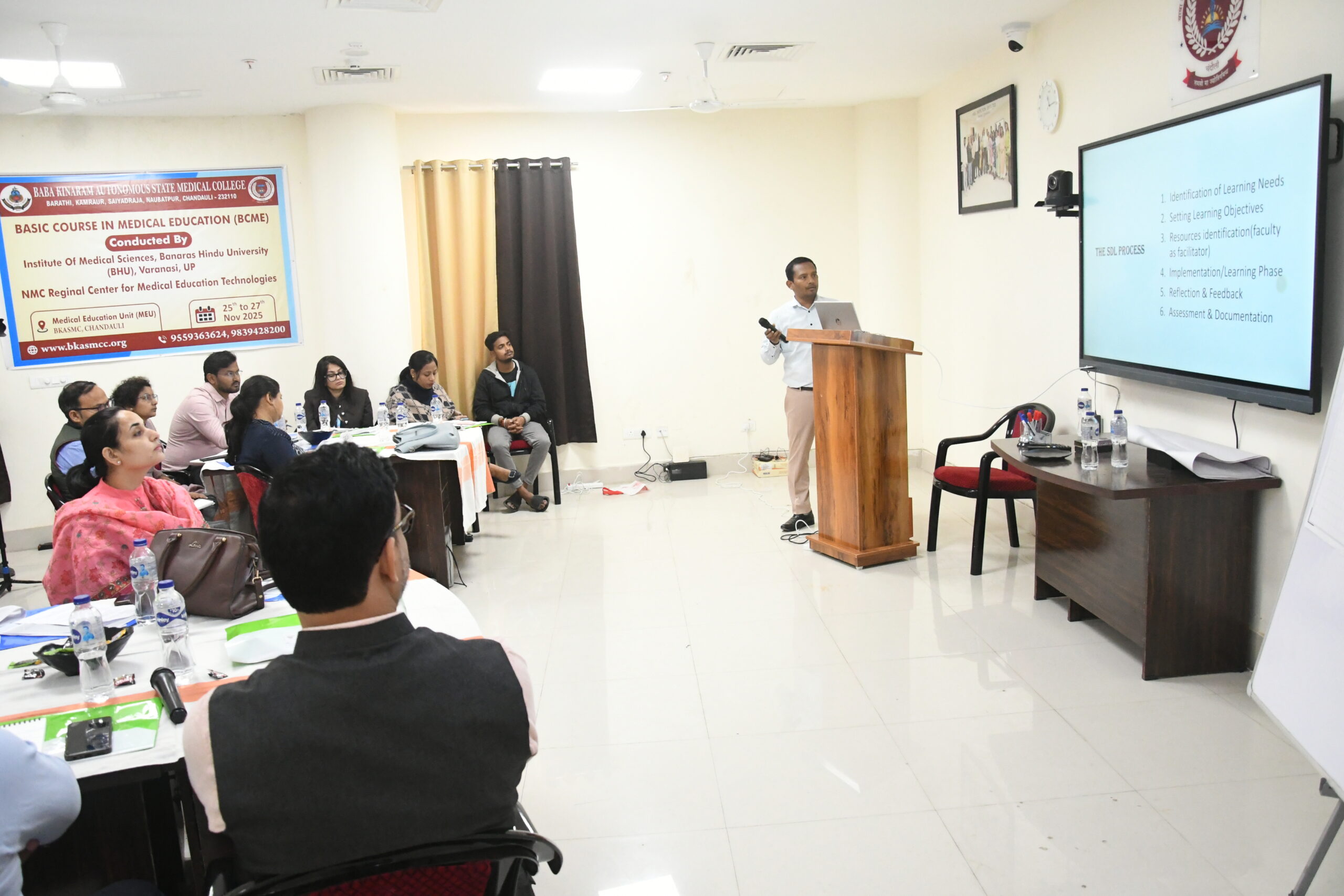
Self-Directed Learning (SDL)
The session led by Dr. Meet Krishna introduced participants to the concept of self-directed learning, encouraging faculty to help students take
ownership of their educational journey. Participants were shown how to structure SDL modules, set objectives, and evaluate outcomes.
Clinical and Practical Skill Teaching
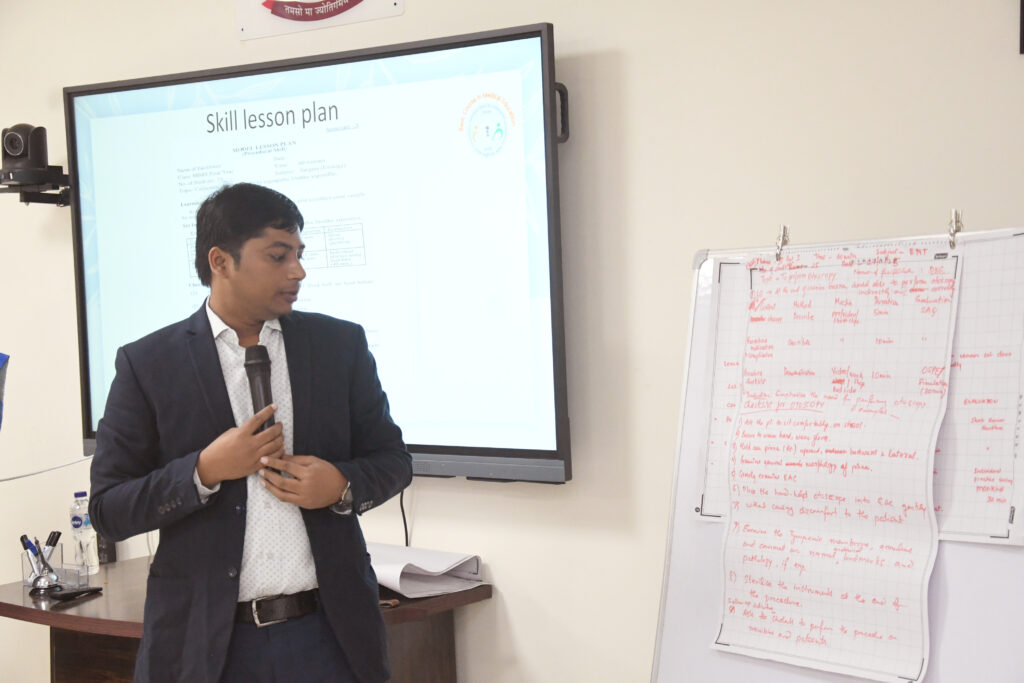
In one of the most interactive segments, Dr. Shobhit Jain demonstrated practical skill teaching using models like SNAPPS, One-Minute Preceptor
(OMP), Mini-CEX, and DOPS. The use of a Skills Lab was emphasized as essential for safe and standardized skills acquisition before real-world
application.
Aligning TMLs With Competencies
This hands-on session, facilitated by Dr. Ketki Khandadiya, guided faculty in choosing the right
teaching method for a given competency through aligning them with SLOs and identifying the corresponding domains of learning. Participants were divided
into groups and given real examples to create teaching-learning maps aligned with Competencies
Assessment Bllueprinting Easy & MCQ Writing
The final sessions of the day, led by Dr. Meet Krishna, were dedicated to the art and science of assessment. Topics included blueprinting, writing valid essay
questions, constructing MCQs, and avoiding common pitfalls such as cueing or ambiguity. Faculty members practised writing and critiquing one another’s
questions, with lively discussion.
Assessing Clinical and Practical Skills
Dr. Mayank Mishra & Dr. Nikhil Sinha elaborated on the assessment of clinical skills using tools such as OSCE/OSPE and workplace-based
assessment strategies like DOPS, and Mini-CEX. Real-life case scenarios were used for simulations, and participants practised developing checklists
and rubrics.
Academic Growth and Networking
Dr. Nidhi Goel encouraged faculty to view their role as educators beyond the classroom, highlighting opportunities such as the FAIMER fellowship, NTTC,
and ACME programs. The role of Medical Education Units (MEUs) in academic leadership and quality assurance was discussed.
Aligning Assessment With Competencies and TMLs
In this interactive session, participants worked in teams to create alignment matrices, matching competencies with TLMs and appropriate
assessments. This activity reinforced the principle of constructive alignment in curriculum design.
Mentoring and Curriculum Planing
The penultimate session by Dr. Shailesh Kumar and Dr. Divya Srivastava discussed the principles of mentoring and its implementation in UG/PG curricula.
The final academic session on Drafting a Phase-Wise Timetable was led by Dr. Shailesh Kumar and Dr. Divya Srivastava, where faculty designed CBME-aligned timetables incorporating AETCOM, electives, SDL, and integrated modules.
Feedback and closing Ceremony
The workshop concluded with a post-test and retro-pre feedback, allowing participants to reflect on their learning. The closing remarks were
delivered by Dr. Arpita Saxena, Dr. Gira Sulabh, who appreciated the participants’ enthusiasm and commitment.
The BCME 2025 at BKASMC, CHANDAULIwas a landmark academic initiative that not only enhanced faculty skills in medical education but also
fostered a culture of reflective teaching and continuous improvement. The workshop empowered participants to transition toward student
cantered, outcome-oriented teaching practices rooted in CBME principles.
The three-day program proved to be a transformative experience, laying the groundwork for sustainable changes in teaching, assessment, and
faculty development across departments. The active engagement of participants, high-quality facilitation, and institutional support contributed to
the overall success of the event.